
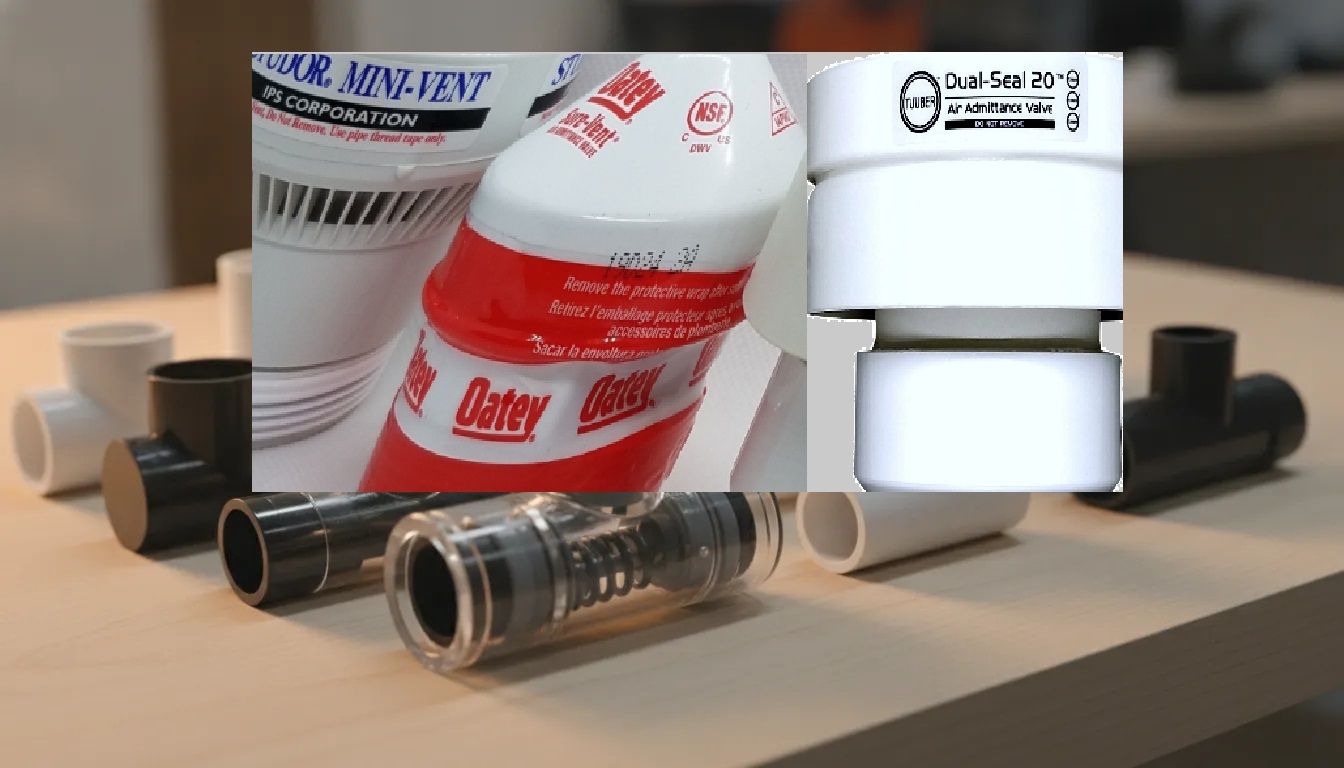
Air Admittance Valve Brands Compared: Tuuber vs Top Brands Air admittance valve brands compared by code fit, sealing, access, support, and project needs. Choose the right model with this practical guide.
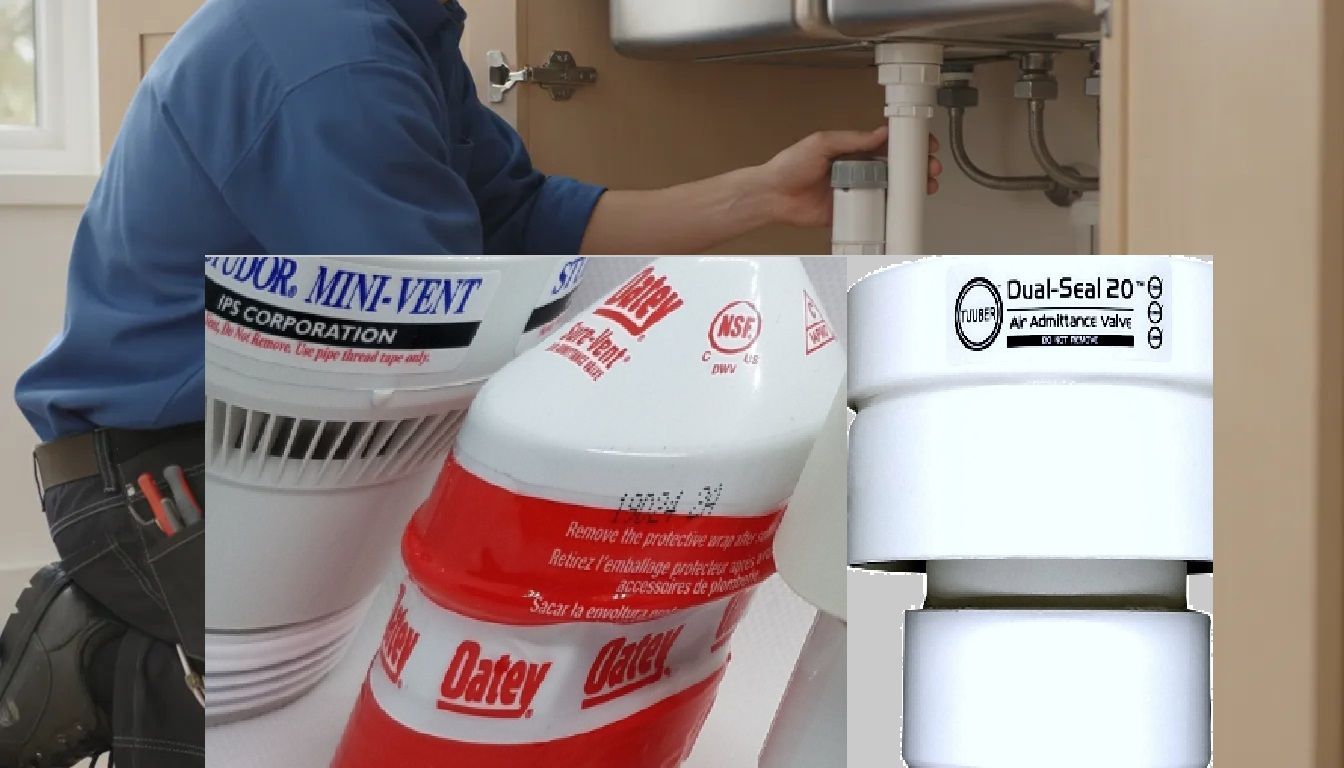
How to Plumb a Studor Vent: Installation Guide and Dual-Seal Alternative Comparison Learn how to plumb a Studor vent with code-aware installation steps, sizing, placement, testing, and a Tuuber Dual-Seal 20 comparison for safer AAV decisions.
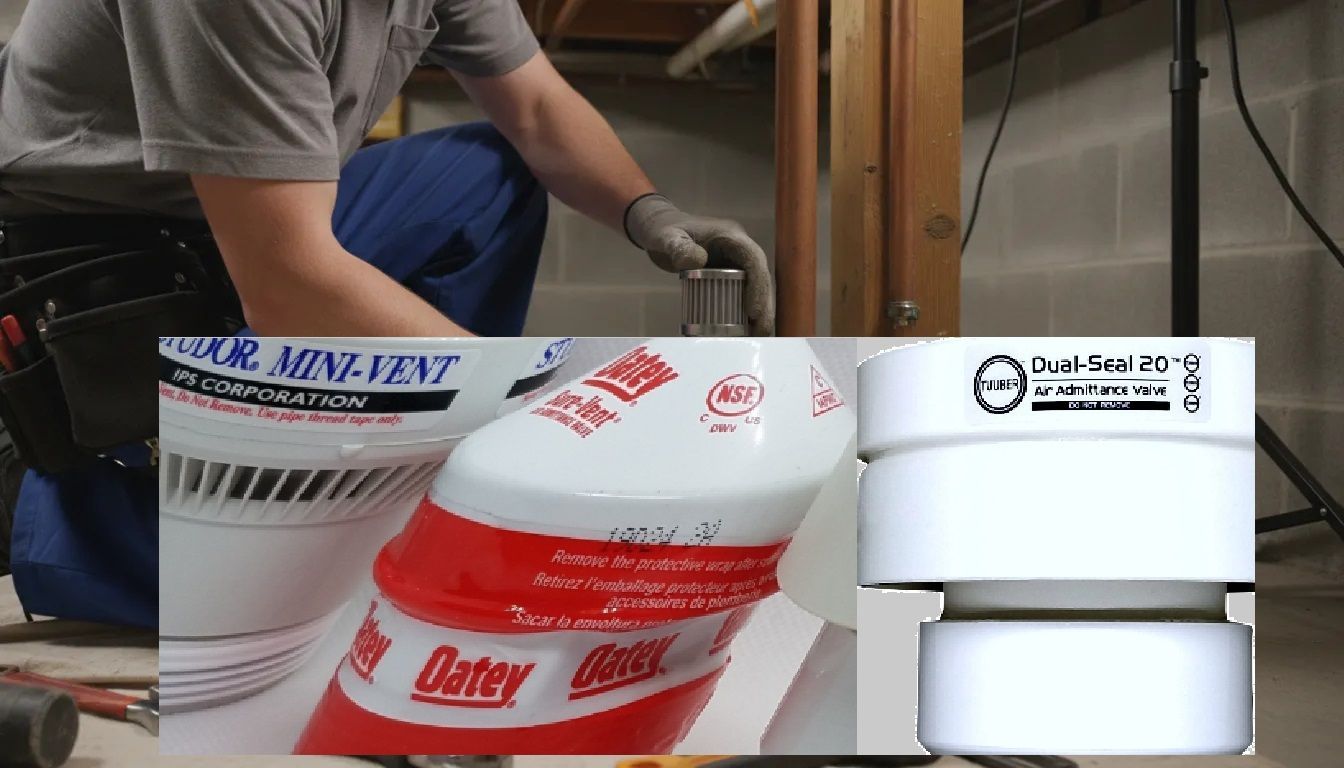
Get AAV pipe flexible coupling kit installation steps for copper and cast iron. Learn how Tuuber dual-seal AAVs help contractors retrofit existing vent systems.
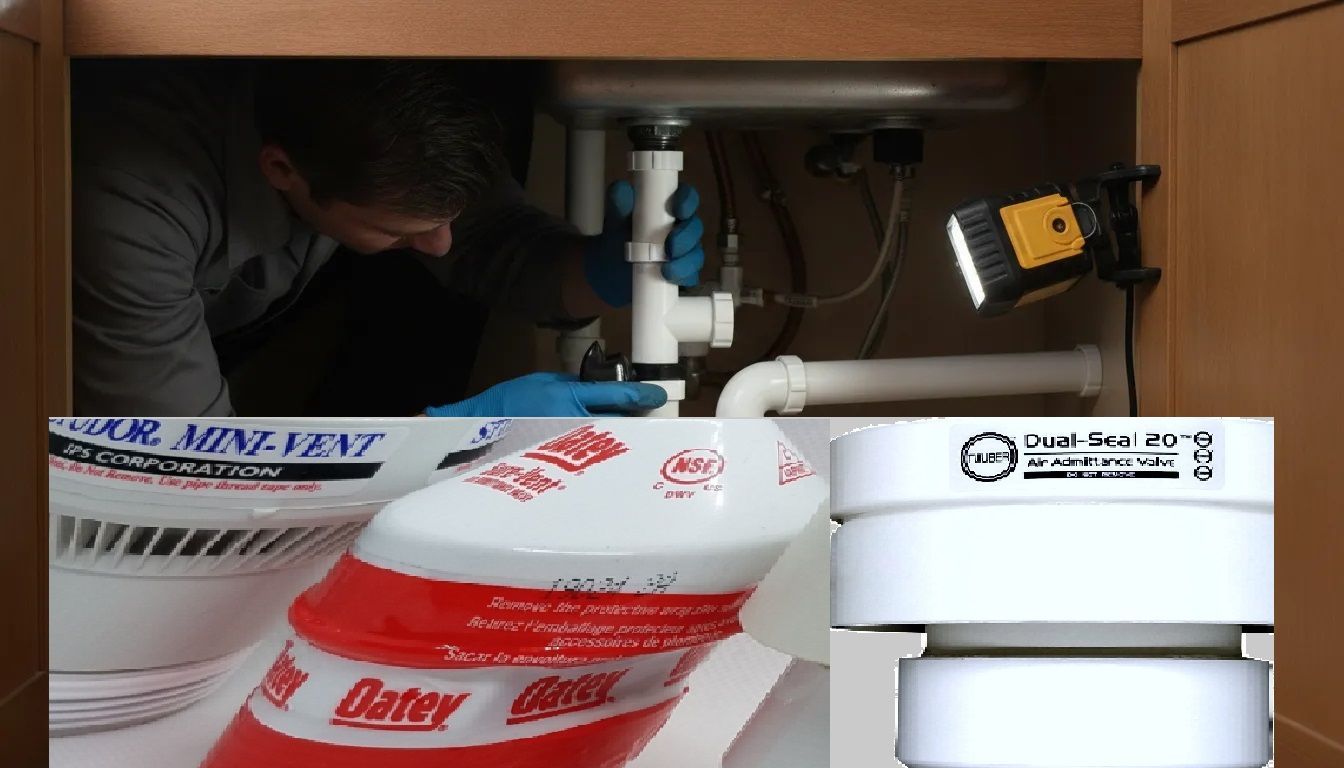
Schedule a tee adapter AAV assembly kit installation with our step-by-step guide. Learn code-compliant placement and common mistakes to avoid.
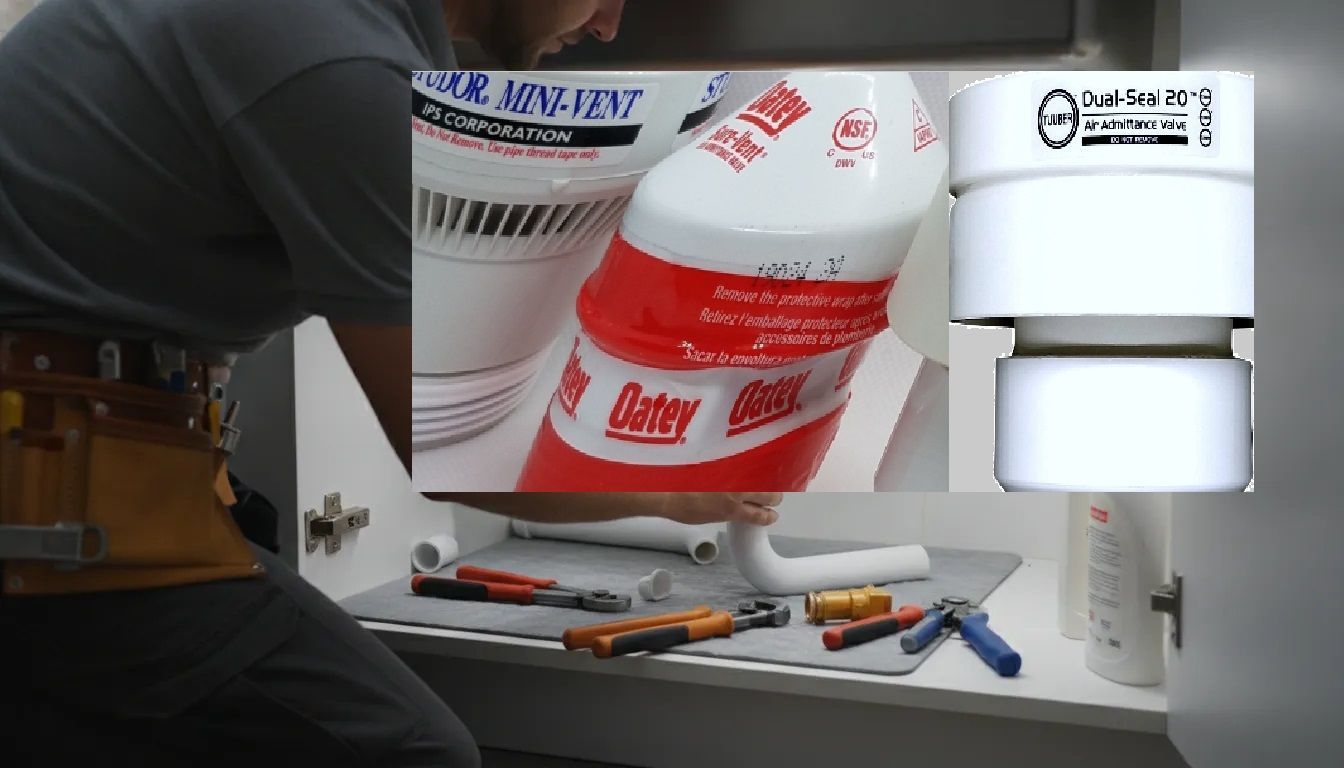
Call for how to replace air admittance valve guidance. Covers signs, removal, right-size selection, and dual-seal AAV installation for smooth drainage.
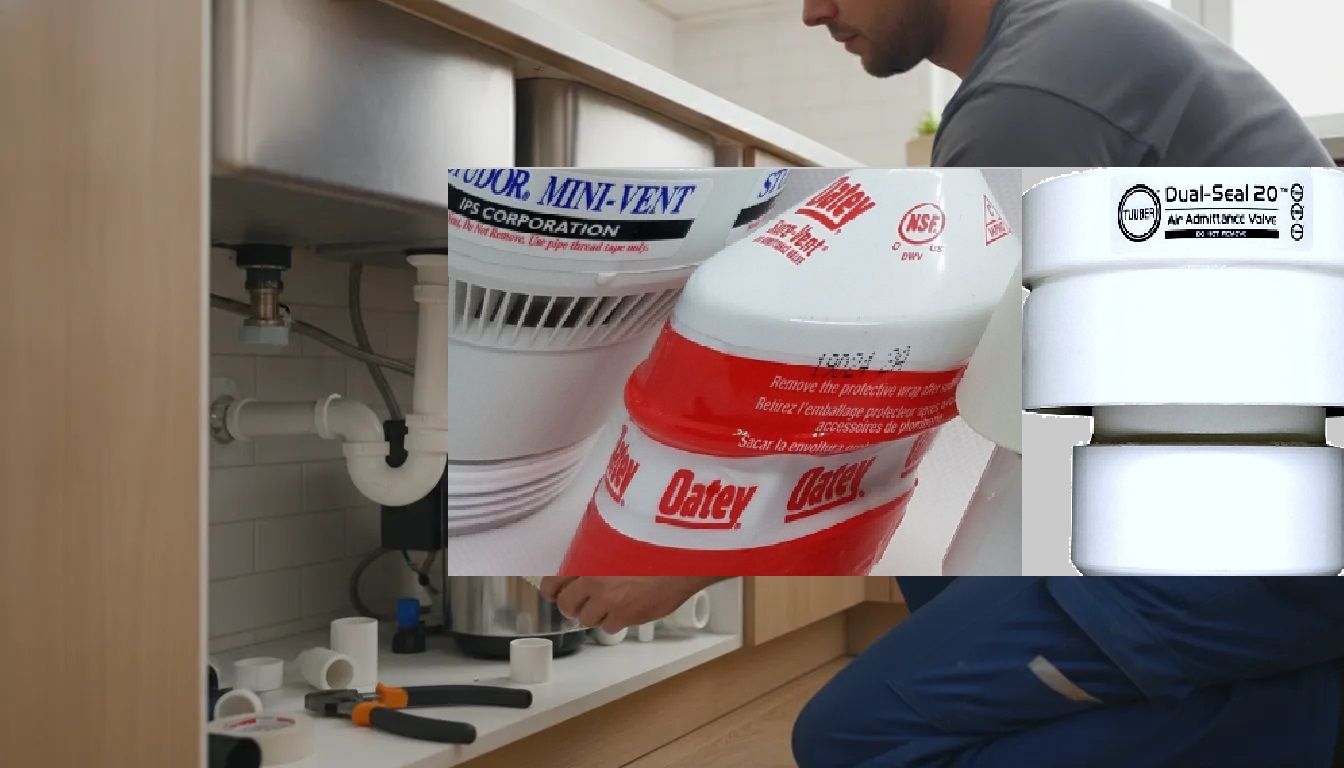
Schedule a code-compliant vent kitchen sink dishwasher air admittance valve installation review. Get expert guidance on one AAV for both fixtures.
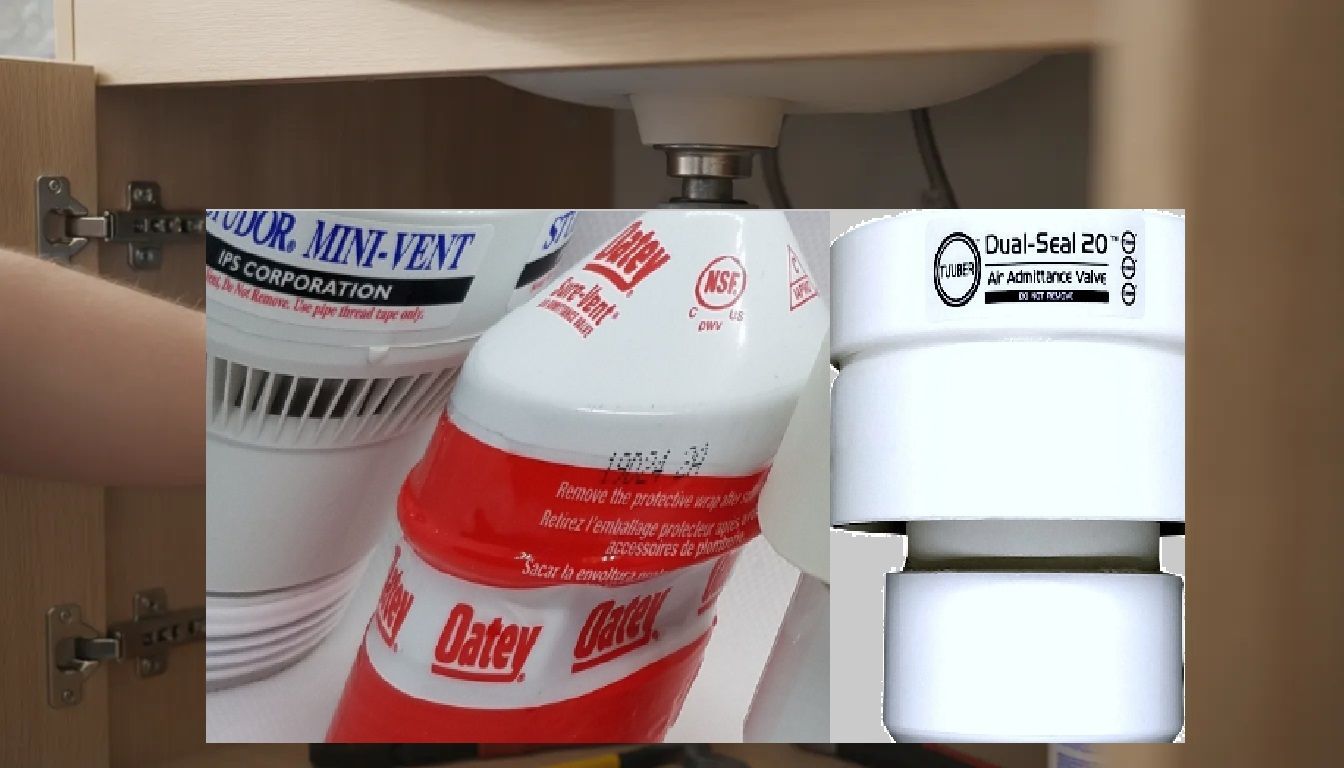
Schedule your next under-sink project with the complete trap assembly kit installation guide. Step-by-step, under 30 minutes, complies with ASSE 1050/1051.
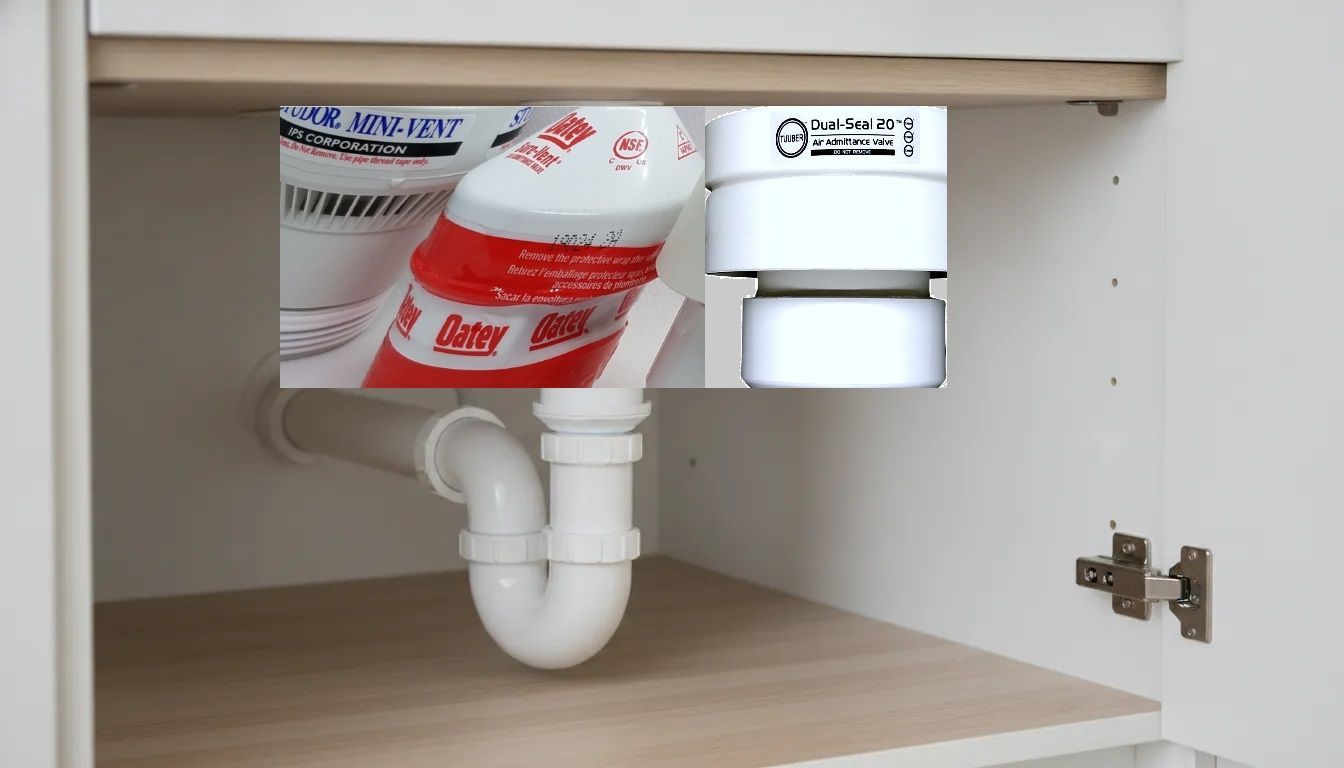
Learn what is a studor vent, how AAVs work, where codes permit them, and how dual-seal alternatives support code-aware plumbing decisions.

Get the complete basement air admittance valve installation guide for basement drains and laundry sinks. DIY step-by-step instructions, code compliance, and...
Human Health Effects from Exposure to Low-Level Concentrations of Hydrogen Sulfide Concentration Symptoms 0-10 ppm Irritation of eyes, nose, and throat. 2 ppm Bronchial constriction in asthmatic individuals, spontaneous abortion 5-9.3 ppm Increased blood lactate concentration, decreased skeletal muscle citrate synthase activity 10-50 ppm Headache, dizziness, nausea, vomiting, coughing, difficulty breathing 150-250 ppm Olfactory paralysis 50-200 ppm Severe respiratory tract irritation, eye irritation/acute conjunctivitis, shock, convulsions, coma and death in severe cases Exposure Limits Regarding community standards, the risk assessment process of EPA and the Agency for Toxic Substances and Disease Registry (ATSDR) are the most relevant in making recommendations for limits to community exposure. EPA estimates levels safe for a lifetime exposure at 0.7 ppb, and ATSDR lists levels for acute at 70 ppb, and 30 ppb for chronic levels. EPA health scientists unanimously recommend a weighted average of no more than 15 ppb at the residence or 70 ppb at the property line. EPA set the safe exposure level at 0.00014 ppm to protect sensitive people such as children and the elderly. Health Effects Considerable information is available on the human health effects from exposure to high levels of hydrogen sulfide. Death is often reported in accidental high-dose exposures; however, little information is available regarding the health effects from low-level exposures. The small body of available information varies widely. Relevant findings from a wide range of studies were reviewed and are provided. In 2003, EPA's Integrated Risk Management System published information suggesting children and neonatal animals could be selectively susceptible to neurological effects from H2S concentrations > 0.6 mg/m3. Bhambhani and Singh (1985) reported that exposure of 42 individuals to 2.5 to 5 ppm H2S caused coughing and throat irritation after 15 minutes. In 1991, the same researchers found that healthy adult male subjects exposed to 5 ppm H2S under moderate exercise exhibited impaired lactate and oxygen uptake in the blood. The authors believe healthy adults can safely perform moderate work in environments containing 5 ppm H2S. They also conclude that inhalation of 10 ppm H2S through the mouth at elevated metabolic and ventilation rates does not significantly alter pulmonary function in healthy people. Kilburn and Warshaw (1995) concluded neurophysiologic abnormalities were associated with average H2S concentration levels of 10 ppb with peaks of 100 ppb in a neighborhood of exposed residents. The Michigan Environmental Science Board (2000) investigated the human health effects of low-level hydrogen sulfide. The no observable adverse effect level (NOAEL) in ambient air is between 2 and 10 ppm. The lower value is from studies showing no increase in blood lactate in exercising adults. An exposure-related effect was observed after 5 ppm H2S for 20 minutes. It represents a change that can result from inhibition of an enzyme (cytochrome oxidase) required for cellular respiration. Inhibition of this enzyme is responsible for the acute toxic effect of H2S. The higher value, 10 ppm, was the NOAEL found in a 70-day exposure study using laboratory rats. A concentration of 30 ppm of the gas produced evidence of nasal lesions affecting olfactory nerve cells. Legator and Singleton (1997) reported that permanent central nervous system damage can occur at concentrations common at industrial facilities, asphalt sites, and livestock operations. The North Carolina Scientific Advisory Board (2001) reported symptoms such as headache, nausea, and eye and throat irritation were found in communities with ambient levels as low as 7 to 10 ppb. Dr. Neil Carman, Clean Air Director for the Lone Star Chapter of the Sierra Club, published a study that concluded growing children are more vulnerable because they breathe more rapidly, taking in significantly more pollution per pound of body weight than adults. The World Health Organization (WHO 2003) stated that all exposures should be avoided due to serious effects of exposures to high concentrations for short durations. It also affirmed there is no evidence to link H2S exposure to cancer in humans. Conclusions When analyzing the results of these studies, it is apparent that the low-level exposure toxicity from hydrogen sulfide gas is still unclear, with some studies showing no effect at 2 ppm and others showing toxic effects from concentrations several orders of magnitude lower. However, much of the data, as well as the recommendations from EPA, ATSDR, and WHO, suggest toxicity from long-term exposure is likely to exist below the odor threshold. This suggests that an individual should not be exposed long term to any level of hydrogen sulfide that one can smell. Source: https://ohsonline.com/Articles/2007/10/Human-Health-Effects-from-Exposure-to-LowLevel-Concentrations-of-Hydrogen-Sulfide.aspx?Page=1 https://ohsonline.com/Articles/2007/10/Human-Health-Effects-from-Exposure-to-LowLevel-Concentrations-of-Hydrogen-Sulfide.aspx?Page=2 https://ohsonline.com/Articles/2007/10/Human-Health-Effects-from-Exposure-to-LowLevel-Concentrations-of-Hydrogen-Sulfide.aspx?Page=3 https://ohsonline.com/Articles/2007/10/Human-Health-Effects-from-Exposure-to-LowLevel-Concentrations-of-Hydrogen-Sulfide.aspx?Page=4 https://ohsonline.com/Articles/2007/10/Human-Health-Effects-from-Exposure-to-LowLevel-Concentrations-of-Hydrogen-Sulfide.aspx?Page=5 https://www.epa.gov/sites/production/files/2014-11/documents/hydrogen_sulfide_final_volume9_2010.pdf pages 175 - 218